


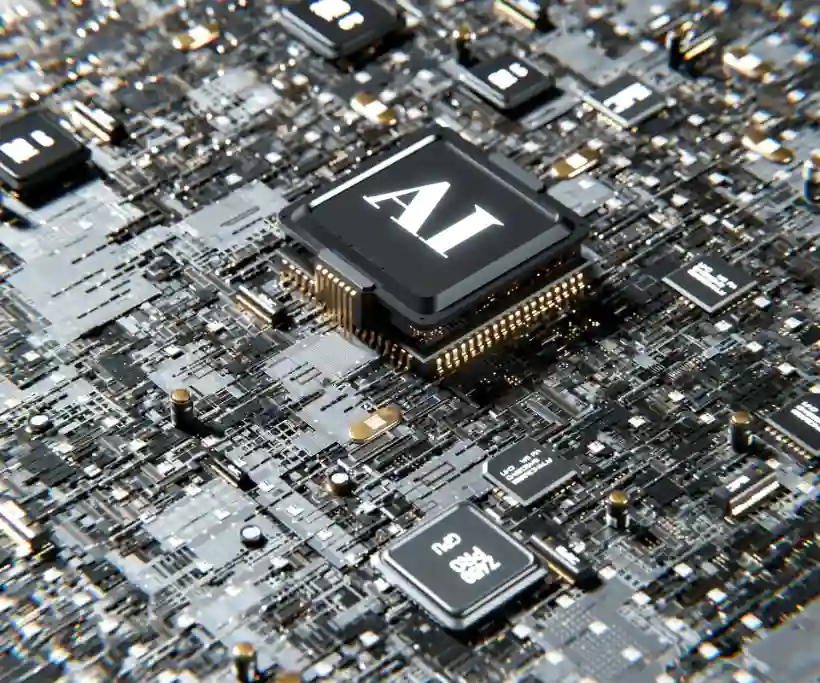
Edge AI Devices: Bringing Intelligence Closer to Users
In 2026, edge AI is no longer a futuristic concept it is the backbone of many modern devices. Unlike cloud-dependent AI, which requires internet connectivity and remote servers, edge AI processes data locally on the device, offering speed, privacy, and reliability that transforms user experiences. From smartphones and wearables to smart home gadgets and autonomous machines, edge AI is quietly becoming essential.
What Is Edge AI?
Edge AI refers to artificial intelligence that operates directly on local devices rather than relying entirely on cloud servers. By moving computation to the “edge” of networks smartphones, cameras, IoT devices, and wearables edge AI reduces latency, protects user data, and ensures real-time responsiveness.
For example, a security camera with edge AI can detect unusual activity instantly without sending sensitive footage to a remote server. Similarly, a smartphone can apply AI-based filters, optimize battery use, or adjust app performance in real time, creating a seamless and adaptive experience.
Benefits of Edge AI
- Speed and Responsiveness:Processing locally means that AI can analyze inputs and provide outputs almost instantly. For instance, augmented reality apps can overlay information in real time, and camera systems can adjust exposure and focus on the fly.
- Enhanced Privacy:Because data is processed on the device rather than uploaded to the cloud, sensitive information—such as health metrics, personal photos, or financial data—remains secure. Users no longer have to worry about data breaches or privacy violations caused by remote servers.
- Offline Functionality:Edge AI enables devices to function without constant internet connectivity. Wearables, smartphones, and smart home devices can maintain intelligence even in areas with poor or no internet access, ensuring uninterrupted usability.
Edge AI in Smartphones
Modern smartphones are among the most prominent examples of edge AI integration. Companies like Google, Apple, and Samsung now embed dedicated NPUs (Neural Processing Units) and AI accelerators directly into their devices.
- Camera Enhancements: Real-time object detection, night mode optimization, and generative editing all happen on-device, delivering results instantly and securely.
- Battery and Performance Management: AI predicts user behavior to allocate resources efficiently, throttle background processes, and extend battery life dynamically.
- Intelligent Assistants: AI interprets context locally, providing faster suggestions, predictive app launches, and even on-device translation for real-time communication.
This integration allows smartphones to act as proactive companions rather than passive tools.
Wearables and Edge AI
Edge AI has also transformed wearable devices, from smartwatches to rings and fitness trackers. Local processing allows wearables to:
- Monitor vital signs continuously and detect anomalies in real time.
- Provide instant feedback on workouts, sleep, or stress levels.
- Generate actionable health insights without sending sensitive data to the cloud.
This ensures a more responsive and private experience, making wearables true extensions of personal health management.
Smart Home Devices and Edge AI
In the realm of smart homes, edge AI enables devices to adapt intelligently to daily life. Thermostats learn household routines to optimize temperature and energy consumption. Security cameras and door sensors detect unusual activity locally and notify homeowners instantly. Voice assistants respond faster because edge AI reduces reliance on remote servers.
Edge AI also supports interoperability: devices can communicate and coordinate without cloud dependency, creating a seamless, responsive ecosystem for users.
Industrial and Commercial Applications
Beyond consumer tech, edge AI is revolutionizing industries. Autonomous drones, robotic arms, and manufacturing sensors can analyze data in real time, optimizing workflows, predicting maintenance needs, and reducing errors. In retail, edge AI enables intelligent inventory management, customer behavior analysis, and instant decision-making without latency.
This local intelligence reduces operational risk and increases efficiency, demonstrating that edge AI is not just a convenience—it is a necessity for high-stakes environments.
Challenges and Considerations
Despite its advantages, edge AI comes with challenges. Hardware limitations, heat generation, and energy consumption must be managed carefully. Developers must optimize models to run efficiently on-device without compromising accuracy. Furthermore, balancing edge AI with cloud-based AI ensures access to broader computational resources when needed, creating a hybrid approach for maximum flexibility.
The Future of Edge AI
Looking ahead, edge AI is expected to become even more pervasive. Improved NPUs, energy-efficient AI chips, and smaller form factors will allow advanced intelligence to reach a wider range of devices, from smartphones and wearables to vehicles and industrial machinery. Combined with 5G/6G connectivity, edge AI will enable seamless integration of local and cloud intelligence, delivering hyper-responsive, secure, and personalized experiences across all aspects of life.
Conclusion
Edge AI is quietly redefining how devices interact with the world. By processing data locally, it delivers speed, privacy, reliability, and personalization that cloud-dependent systems cannot match. Smartphones, wearables, smart home devices, and industrial machines are becoming more intelligent, adaptive, and context-aware, transforming everyday interactions and professional operations alike.
In 2026, edge AI is not a futuristic concept it is the silent revolution that is shaping the future of connected devices, empowering users with faster, smarter, and more secure technology than ever before.





One reply on “Edge AI Devices: Bringing Intelligence Closer to Users”
tester