


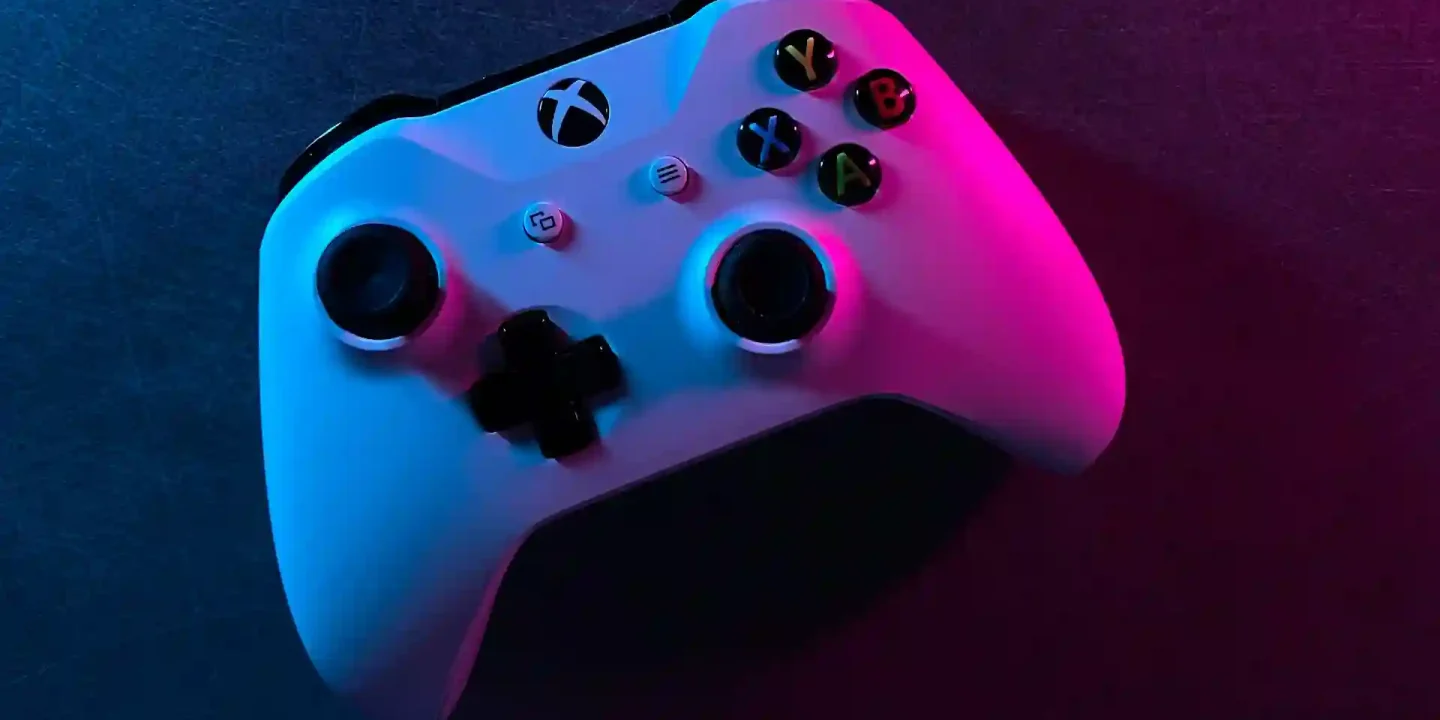
Gaming and entertainment are often seen as forms of leisure, a way to pass time or escape daily routines. While this is true, they are evolving into experiences that shape how people connect, learn, and even think. Modern technology has transformed games and media into dynamic platforms that respond to users in real time, creating engagement that goes far beyond simple consumption.
Immersion Is No Longer Optional
Games today are built to feel alive. Developers use intelligent systems to create worlds that react to player choices, adapt difficulty based on skill, and tell stories that evolve naturally. This immersion is not just for fun it encourages problem solving, strategic thinking, and creativity.
Players who engage deeply with adaptive experiences often report stronger emotional investment. The satisfaction comes not just from winning or finishing a game, but from interacting with a world that feels meaningful and responsive.
Personalization Changes the Experience
Entertainment platforms are increasingly designed to adapt to individual preferences. AI analyzes behavior patterns to suggest content, adjust gameplay, and deliver experiences aligned with personal interests.
For players, this means challenges that are neither too easy nor too hard. For viewers, it creates a curated stream of stories, shows, or interactive experiences that match their moods, interests, or routines. Personalization transforms gaming and media from passive activities into experiences that feel relevant and engaging every time.
Social Interaction Is at the Core
Modern entertainment is rarely a solitary experience. Multiplayer games, interactive streaming, and live events allow users to connect, compete, and collaborate with others in real time.
These social layers deepen engagement. Players share achievements, form communities, and participate in story-driven events together. Even viewers of digital media can interact through live polls, chats, or collaborative challenges, blurring the line between audience and participant.
Technology Drives Creativity and Access
Advances in cloud computing, AI, and graphics technology have removed traditional barriers. High-quality gaming and entertainment are now accessible on a wide range of devices, from smartphones to lightweight streaming platforms.
This democratization allows more people to experience sophisticated content without expensive hardware. Developers and creators can focus on creativity, while technology ensures smooth, seamless delivery to audiences worldwide.
Entertainment as a Habit, Not a Hobby
Engagement with modern digital entertainment is now habitual rather than occasional. Players and viewers spend time in adaptive, responsive environments that evolve with their behavior, creating experiences that educate, challenge, and entertain simultaneously.
This habit strengthens community, hones skills like strategy and collaboration, and provides meaningful ways to connect across distances. Gaming and entertainment are no longer separate from life they are woven into how people interact with the world and each other.
Final Reflection
The future of gaming and entertainment is interactive, personalized, and socially connected. It encourages creativity, emotional engagement, and thoughtful participation.
What was once a pastime has grown into a platform for connection, learning, and meaningful interaction. Those who embrace this evolution experience more than entertainment they experience engagement that resonates in both virtual and real-world lives.





No Comments